
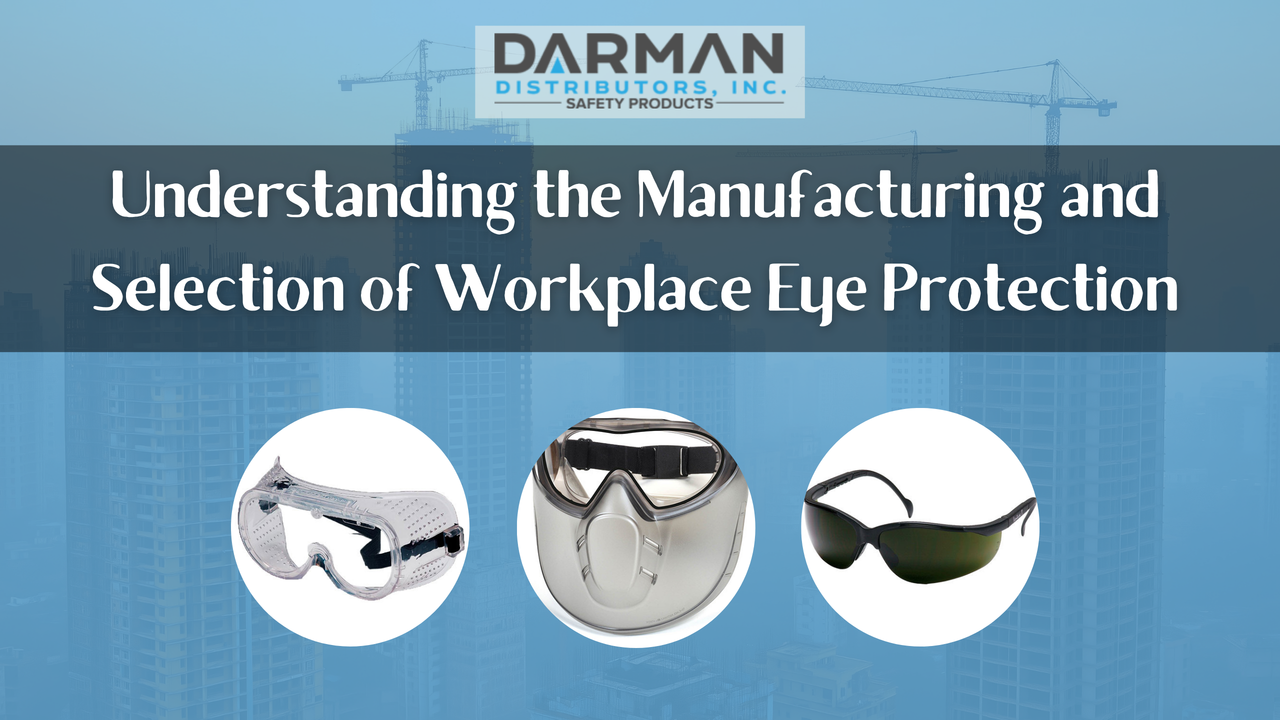
Understanding the Manufacturing and Selection of Workplace Eye Protection
Dec 11th 2025
A must-have safety rule for any workplace, including manufacturers, is the use of eye protection. Workers who are exposed to chemicals, flying metal particles, dust, extreme temperatures, or bright sparks must wear eye protection. A small accident can hurt you for a long time, make it hard to see, or even blind you for good. This is why factories, workshops, and production floors rely on high-quality eye protection glasses and other safety gear to keep workers safe every day.
Learn about the process, materials, and safety regulations that go into making eye protection, as well as how different industries can choose the best glasses for their employees.
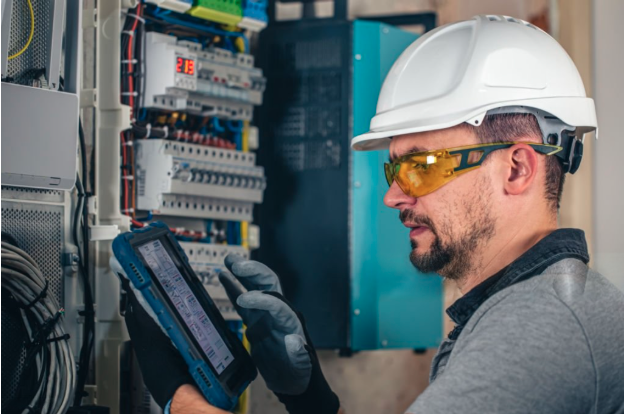
Why Eye Protection Matters in Industrial and Manufacturing Work
There are numerous hazards in industrial settings that can easily cause eye damage. Among the most prevalent risks are:
- Flying debris: Metal chips, wood scraps, or plastic pieces during cutting or grinding.
- Dust and particles: From sanding, cement work, or machine production.
- Chemical splashes: In labs, printing industries, painting units, and chemical plants.
- Heat and sparks: From welding or furnace operations.
- Radiation and bright light: UV and infrared exposure during welding or laser work.
Without proper eye protection, workers face injuries like irritation, burns, cuts, infections, or even loss of vision. For these reasons, workplace laws and safety guidelines require companies to provide suitable safety glasses for their employees.
How Eye Protection Glasses Are Manufactured
The manufacturing process of safety glasses is designed to provide maximum strength, durability, and clarity. Below is a simple explanation of how they are made.
Material Selection
The most common materials used are:
- Polycarbonate: Lightweight, impact-resistant, and shatterproof. Best for manufacturing and construction sites.
- Trivex: Strong like polycarbonate but with clearer optical quality.
- Acrylic: Affordable and lightweight, used for low-risk environments.
- Glass: Scratch-resistant but breakable; mostly used in specialized safety goggles.
Polycarbonate is the top choice for industrial eye protection because it can withstand strong impacts without cracking.
Lens Creation
Manufacturers melt the chosen material and mold it into lens shapes. Machines then polish the lenses to ensure clear visibility and smooth surfaces.
Coating Application
Different coatings are added depending on the workplace needs:
- Anti-scratch coating for durability
- Anti-fog coating for humid or temperature-changing environments
- UV protection coating for outdoor or welding-related tasks
- Chemical-resistant coating for lab and chemical plant workers
Coatings improve performance and extend the life of the eye protection glasses.
Frame Manufacturing
Frames are made from materials like nylon, polycarbonate, or flexible rubber. They must be strong, comfortable, and shaped to fit various face sizes.
Manufacturers design:
- Wrap-around frames for protection from the sides
- Goggles with sealed edges for chemical or dust-heavy environments
- Adjustable frames for long-hour use
- Metal-free frames for electrical work
Assembly and Testing
After frames and lenses are ready, they are assembled and tested. Tests include:
- Impact tests to ensure lenses do not break
- Chemical resistance tests
- Fog and heat tests
- Optical clarity tests
Only safety glasses that pass all testing are certified before shipping to industries.
Safety Standards to Know Before Buying Eye Protection
To ensure workers receive high-quality eye protection, industries should check for certifications such as:
- ANSI Z87.1 (USA) – Ensures impact resistance and lens quality
- EN166 (Europe) – Covers optical clarity, strength, and chemical protection
- IS Standards (India) – Ensures local compliance for manufacturing environments
These standards confirm that the safety glasses are strong enough to handle workplace hazards.
Types of Eye Protection Used in Industries
Industrial and manufacturing organizations utilize several types of safety eyewear based on the risks involved. Here are the most popular choices:
Safety Glasses
Basic impact-resistant glasses with side shields. Suitable for:
- Assembly work
- Machine operation
- Packaging factories
- Woodworking
- Light manufacturing tasks
Safety Goggles
These offer a sealed or semi-sealed fit, protecting eyes from dust, chemicals, and fumes. Ideal for:
- Laboratories
- Chemical handling
- Paint shops
- Cement and powder industries
Face Shields
Combine eye and face protection. Used in:
- Metal grinding
- Welding
- High-temperature manufacturing
- Cutting operations
Face shields are usually worn over safety glasses for extra protection.
Welding Helmets and Glasses
These protect workers from sparks, heat, and harmful radiation. They come with auto-darkening lenses for safety and comfort.
Prescription Safety Glasses
Designed for workers who need vision correction. These combine regular eyeglass power with industrial protection features.
How to Choose the Right Eye Protection for Your Workplace
Selecting the right safety gear is just as important as manufacturing it. Industries must match the product with the hazard type.
Identify the Hazards
Before selecting eyewear, safety managers must analyze:
- Is there flying debris?
- Are chemicals used?
- Does work involve heat or sparks?
- Is the area dusty?
- Does the job expose workers to bright light or radiation?
A clear hazard assessment helps pick the right protection level.
Check Material and Durability
Polycarbonate lenses are best for high-impact environments, while sealed goggles are best for chemicals. Look for scratch-resistant and anti-fog coatings for better comfort.
Comfort and Fit
Workers wear safety glasses for long hours, so comfort matters. Choose features like:
- Lightweight frames
- Soft nose pads
- Adjustable arms
- Wrap-around design
- Anti-fog coating for humid environments
Comfort improves compliance, meaning workers are more likely to wear them consistently.
Match the Safety Standard
Always check for ANSI, EN, or IS certification. Certified glasses guarantee minimum protection levels required for industrial use.
Maintenance and Replacement
Even strong safety glasses need care. Industries should:
- Replace damaged lenses immediately
- Clean glasses daily with lens-safe wipes
- Store them properly to avoid scratches
- Train workers on correct usage
Well-maintained gear provides long-lasting safety.
Benefits of Quality Eye Protection in Industrial Workplaces
Using high-quality eye protection glasses offers several advantages:
- Reduces workplace injuries
- Increases worker confidence and productivity
- Maintains compliance with safety laws
- Protects against long-term vision problems
- Lowers company costs related to accidents or medical care
A small investment in safety gear can prevent major accidents in industrial environments.
Conclusion
Eye protection is a critical part of industrial and manufacturing safety. From the careful manufacturing process to the strict safety standards, every part of creating safety glasses ensures workers remain protected from hazards like debris, chemicals, heat, and radiation. Choosing the right type of eye protection for your workplace helps maintain a safe environment, protects employees’ vision, and supports efficient operations.
Companies should assess their hazards, select certified safety gear, and ensure proper maintenance. With the right eye protection glasses and safety practices, industries can reduce accidents and create a safer workplace for everyone.