
How New PPE Regulations Are Improving Safety and Fit for Women in Construction
Mar 17th 2026
Personal Protective Equipment (PPE) plays a critical role in keeping workers safe across many industries, especially in construction. However, for years many workers, particularly women, have faced challenges because PPE was often designed primarily for male body types. Poorly fitting equipment can reduce protection, create discomfort, and even lead to accidents. Recent updates to PPE regulations and guidance from the Occupational Safety and Health Administration (OSHA) aim to address this issue and ensure that protective gear fits every worker properly.
Understanding these changes and how they affect workplaces is important for both employers and employees. The latest updates to OSHA PPE regulations emphasize that PPE must properly fit the worker using it, improving safety, comfort, and compliance with workplace safety standards.
Why Proper PPE Fit Matters
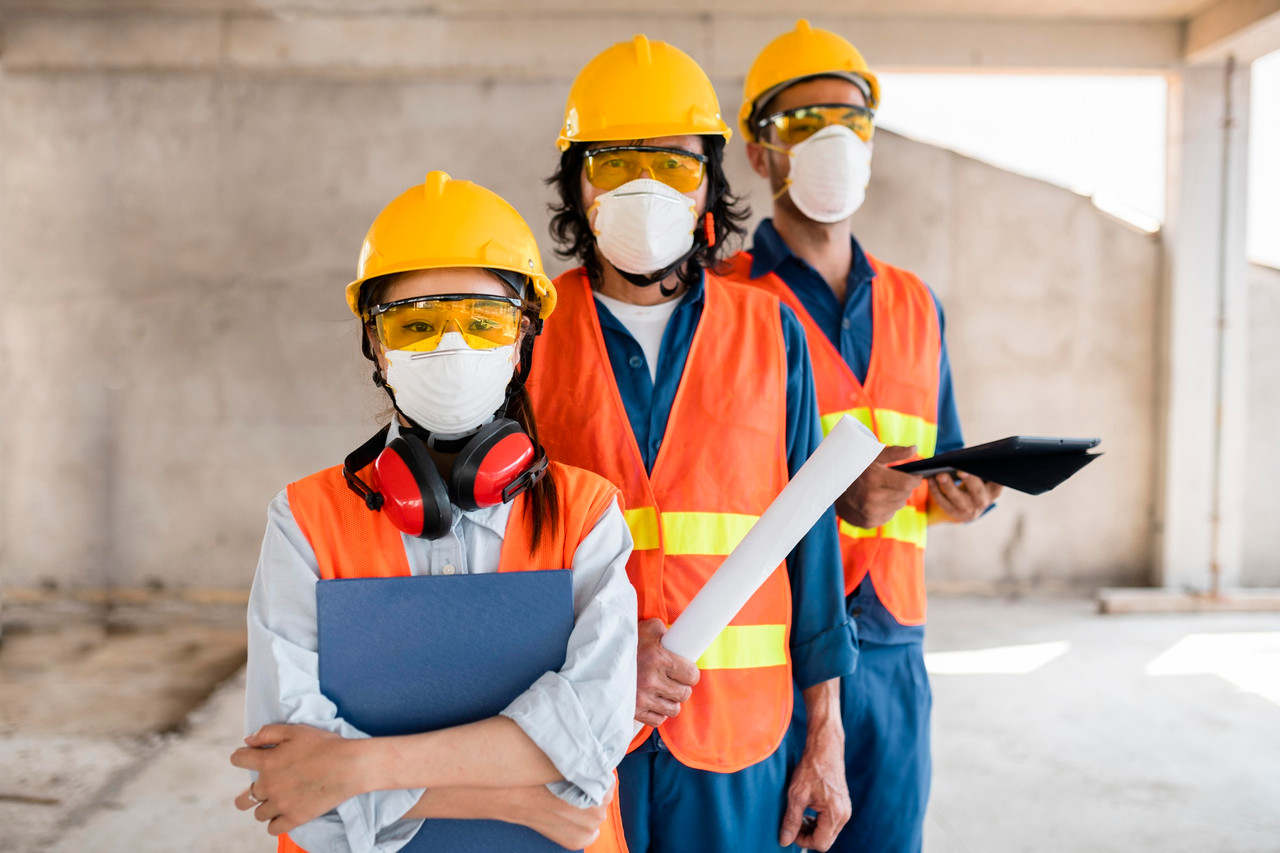
PPE includes essential safety items such as helmets, gloves, safety glasses, high-visibility clothing, harnesses, and protective footwear. These items are designed to protect workers from hazards like falling objects, electrical risks, sharp materials, and chemical exposure.
When PPE does not fit correctly, several problems can occur:
- Loose gloves can reduce grip and make handling tools difficult
- Oversized safety harnesses may not provide proper fall protection
- Large safety glasses may slide down and expose the eyes
- Ill-fitting helmets can fall off or fail to protect during an impact
These issues highlight why ppe at work regulations require employers to ensure that equipment not only exists but is appropriate for the worker using it. Companies that prioritize worker protection often rely on reliable PPE suppliers and safety solutions such as those offered at Darman Manufacturing Company.
Historically, many PPE products were manufactured using standard sizing based primarily on male workers. As more women enter construction and other industrial fields, the need for better fitting safety gear has become more apparent.
OSHA’s “PPE Must Fit” Update
Recent new PPE regulations introduced by OSHA reinforce a simple but important requirement: PPE must properly fit each employee who uses it. This clarification strengthens existing ppe work regulations and ensures employers provide equipment suitable for different body types.
Under the updated osha regulations on ppe, employers must evaluate the equipment provided to workers and confirm that it:
- Fits the individual worker correctly
- Provides full protection against workplace hazards
- Does not create additional safety risks
- Allows workers to perform tasks comfortably and safely
Organizations that want to stay compliant with these safety standards often review workplace equipment policies or explore safety solutions available through https://www.darman.com/.
How the Rule Impacts Women in Construction
Women now represent a growing portion of the construction workforce. According to industry reports, the number of women in construction has steadily increased over the past decade. However, many women have reported challenges finding PPE designed for their size and body shape.
The updated ppe regulation guidelines help address these concerns in several ways:
1. Better Equipment Availability
Employers are encouraged to source PPE in a wider range of sizes and designs to accommodate different workers.
2. Improved Worker Safety
Properly fitted gear ensures that helmets, gloves, harnesses, and clothing provide full protection.
3. Increased Comfort and Productivity
Workers are more comfortable and productive when PPE fits correctly and allows them to move naturally.
4. Stronger Workplace Inclusion
Ensuring proper PPE fit supports diversity and inclusion in industries where women have historically been underrepresented.
By emphasizing proper fit, these osha ppe regulations help create safer and more equitable workplaces.
What Employers Need to Do
Employers are responsible for complying with ppe regulation requirements and ensuring all workers receive appropriate protective equipment. To meet these standards, employers should:
- Conduct hazard assessments to identify PPE needs
- Provide equipment in multiple sizes and styles
- Train employees on proper PPE use and maintenance
- Regularly review equipment to ensure proper fit and effectiveness
Companies looking to strengthen their safety programs can also review PPE solutions and safety gear resources available at https://www.darman.com/products/.
Workplace safety programs should also include open communication so workers can report issues with PPE without hesitation.
Key PPE Regulation Guidelines to Follow
To stay compliant with ppe regulations, organizations should focus on several important practices.
Proper Equipment Selection
- Choose PPE designed for the specific hazards of the job.
- Ensure equipment meets safety standards and certifications.
Fit Testing and Adjustments
- Confirm that helmets, gloves, harnesses, and clothing fit properly.
- Adjust straps, sizing, or replacements when needed.
Regular Inspections
- Check PPE regularly for damage, wear, or poor fit.
Worker Training
- Teach employees how to wear, adjust, and maintain protective equipment.
These steps help ensure that ppe at work regulations are followed effectively while maintaining a safe environment for everyone.
Why These PPE Changes Matter for the Future of Workplace Safety
The emphasis on proper PPE fit marks an important step forward in workplace safety. Updated OSHA PPE regulations reinforce that protective equipment must protect every worker effectively, regardless of body size or shape.
For women in construction and other industrial roles, these updates help ensure access to equipment that fits properly and performs as intended. Employers who follow ppe work regulations and provide well-fitting safety gear create safer, more inclusive work environments while maintaining compliance with OSHA standards.
By understanding and implementing the latest ppe regulation guidelines, companies can protect their workforce and strengthen overall workplace safety for everyone.